



The real estate market in Jamaica is full of opportunities, especially for those ready to dive into the home-buying process right away. Whether you’re a first-time buyer or looking to expand your property portfolio, Jamaica’s diverse offerings make it an attractive option for many. As property prices soar globally, Jamaica stands out for its affordability campared with other caribbean islands like Barbados, for its scenic beauty, and vibrant culture which sets it apart. But where do you start? Let’s walk you through the exciting, albeit complex, journey of buying property on the beautiful island of Jamaica.
Preparing to Buy a Home
Be Ready
Buying a home is likely one of the most significant financial decisions you’ll make. So, before diving into online listings, take a moment to assess your financial readiness. For starters, understanding what you can afford is key. A mortgage affordability calculator can help guide you through this.
Here in Jamaica, mortgage rates typically range from 6% to 8%, depending on the financial institution and your credit score. According to Dean Jones founder of Jamaica Homes, “Timing is everything, but being financially prepared is paramount.”
The Importance of Pre-Qualification
Get Pre-Qualified
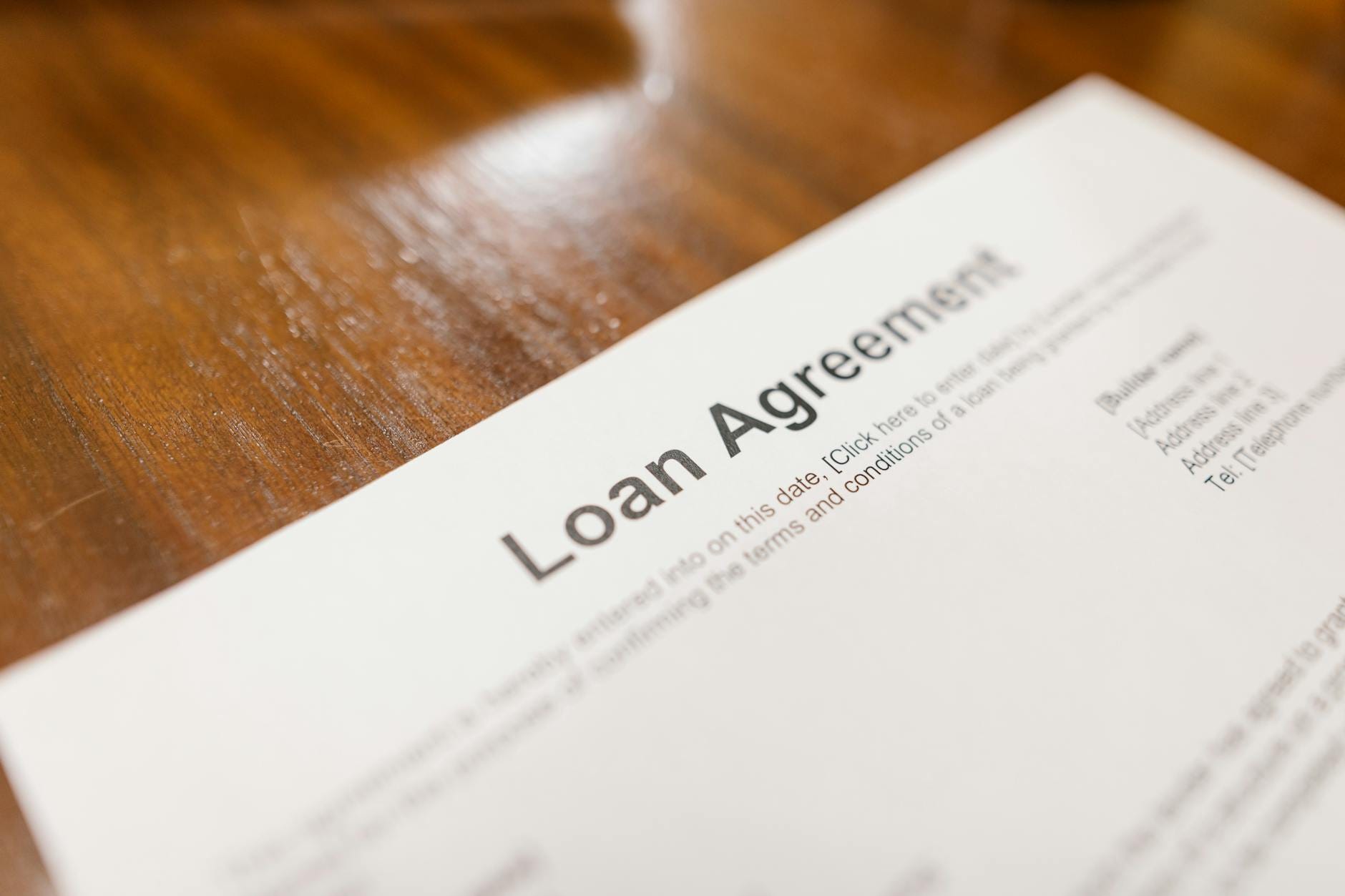
Before embarking on your home-buying journey, securing pre-qualification for a mortgage is a critical first step. It not only gives you a clear understanding of how much you can afford to borrow, but it also signals to sellers that you are a serious and capable buyer. Pre-qualification acts as a financial “green light,” empowering you to search for homes within your budget while giving you the competitive edge in Jamaica’s dynamic real estate market.
To get pre-qualified, you’ll need to provide essential financial documents, such as income statements and your credit report. If you live abroad but are interested in purchasing property in Jamaica, you may also need to provide overseas credit reports. This process is especially relevant for members of the Jamaican diaspora, many of whom are keen to invest in their home country’s real estate market.
Securing a mortgage in Jamaica, even from abroad, is entirely possible thanks to local banks and mortgage institutions that offer loans to Jamaicans living overseas. One key requirement is obtaining a Tax Registration Number (TRN), which is needed to apply for a mortgage. Luckily, the TRN can be easily acquired through the Tax Administration Jamaica website.
Assessing Your Financial Situation
Before getting pre-qualified, it’s crucial to review your financial situation. This includes understanding your monthly income, expenses, and savings potential. Experts recommend that housing costs—including mortgage, utilities, maintenance, and property taxes—should not exceed 30% of your gross income. However, given the challenges of lower wages relative to the cost of living in Jamaica, it’s understandable that some may stretch this limit. In reality, you want to aim to spend no more than 50% of your monthly income on housing. This is also the benchmark used by lending agencies when calculating how much they’re willing to lend for a mortgage.
If your income falls short of what’s needed, consider ways to increase it, such as asking for a raise, improving your qualifications for a higher-paying job, or exploring side hustles. In fact, many Jamaicans have embraced the gig economy—whether it’s through part-time jobs, freelancing, or small businesses—to boost their income and save towards owning a home.
Track and Cut Your Expenses
Another vital part of the pre-qualification process is understanding your monthly expenses. Keeping track of every dollar spent can reveal opportunities for savings that could be redirected toward your home down payment. For instance, reducing discretionary spending on luxuries like dining out, beauty treatments, or entertainment could add up significantly over time. Instead of regular splurges, consider making more meals at home or enjoying low-cost or free activities, like beach outings or hikes around Jamaica’s scenic landscapes.
Cutting back on unnecessary expenses is especially important because purchasing a home involves several hidden costs. These can include legal fees, closing costs, insurance, and more. To cover these expenses, having a strong savings strategy in place is essential.
Pre-Approval Process
Once you’ve evaluated your income and expenses, the next step is to approach a mortgage lender to get pre-approved. Pre-approval gives you a clear indication of how much you can borrow, and it reassures sellers that you are a reliable buyer. Here’s a list of common documents you’ll need to provide to get pre-approved for a mortgage in Jamaica:
TRN & NIS cards
Last three months’ pay slips
Employment letter verifying income and confirming your NHT contributions if applicable
Valid government-issued ID
Credit authorization form allowing the lender to access your credit report
Proof of address
Tip: Use free online mortgage calculators to estimate your monthly payments. This will help you understand your affordability and manage your expectations.
Taking Advantage of National Housing Trust (NHT) Benefits
As a first-time homebuyer in Jamaica, it’s crucial to know whether you qualify for National Housing Trust (NHT) benefits. NHT offers some of the lowest interest rates in the country, ranging from 0% to 5% for loans up to JMD 7.5 million or more if you combine your contributions with one or two other eligible buyers. This is significantly lower than the average Mortgage interest rate of 9% in Jamaica for 2024.
To qualify for NHT benefits, you must have made consistent contributions for at least one year. This makes NHT one of the most attractive options for first-time homebuyers, offering terms that are unmatched by any commercial banks.
Key Takeaways: Pre-Qualification Benefits
Understanding Affordability: Pre-qualification helps you determine how much you can realistically afford, allowing you to target homes within your budget and avoid disappointments.
Competitive Advantage: Having a Pre-Qualification Letter from a mortgage Lender signals to sellers that you are a serious Buyer, which can give you an advantage over other buyers, especially in competitive markets like Kingston and Montego Bay.
Securing the Best Mortgage Rates: Pre-qualification allows you to compare offers from different lenders, ensuring you secure the most favorable terms.
Planning for Hidden Costs: Beyond the Purchase Price, pre-qualification helps you prepare for other associated costs, such as closing fees, legal expenses, and home insurance.
Find a Local Real Estate Expert

Why You Need a REALTOR®
In Jamaica, real estate agents are crucial to navigating the market successfully. Your agent is not just a person showing you properties; they are your gateway to understanding the legalities, market trends, and financial incentives available to you. Look for agents who are part of the Realtors Association of Jamaica (RAJ). They are bound by a Code of Ethics, ensuring that your best interests come first.
Your REALTOR® will help you with:
Identifying suitable government programs that support homeownership.
Finding the best mortgage options and helping you secure pre-approval.
Offering invaluable insights about different parishes, whether you’re looking to settle in the bustling hub of Kingston or the tranquil paradise of Portland.
Know What You Want
Deciding on Location and Property Type
When it comes to choosing where to live in Jamaica, your options are varied. Kingston, for instance, is a business hub where property values are steadily climbing. It’s a great option for those who want to be in the thick of things, near universities, schools, and restaurants. On the flip side, Montego Bay offers a laid-back, Beachfront vibe, perfect for those looking to invest in short-term rental properties like Airbnbs.
“Every parish has its own personality,” says Dean Jones. “You can’t beat the beaches of Negril or the mountain views in Mandeville.”
Some key factors to consider include:
Proximity to work or school.
The local amenities such as shopping centers, schools, and hospitals.
The type of home you want (e.g., single-family home, condo, or townhome).
For example, a Townhouse in Kingston could be perfect for a young professional, whereas a Beachfront condo in St. Ann might appeal more to retirees or Airbnb investors. Speaking of which, Airbnb is thriving in Jamaica, especially in touristy parishes like St. Ann and St. James. Thirty-one per cent of the visitors to Jamaica in 2023 used the sharing economy or Airbnb,” Bartlett said in response to queries from Business Observer reporters. Minister of Tourism Edmund Bartlett noted that 31% of visitors to Jamaica in 2023 used platforms like Airbnb for accommodations.
Looking for Homes
Start the Hunt
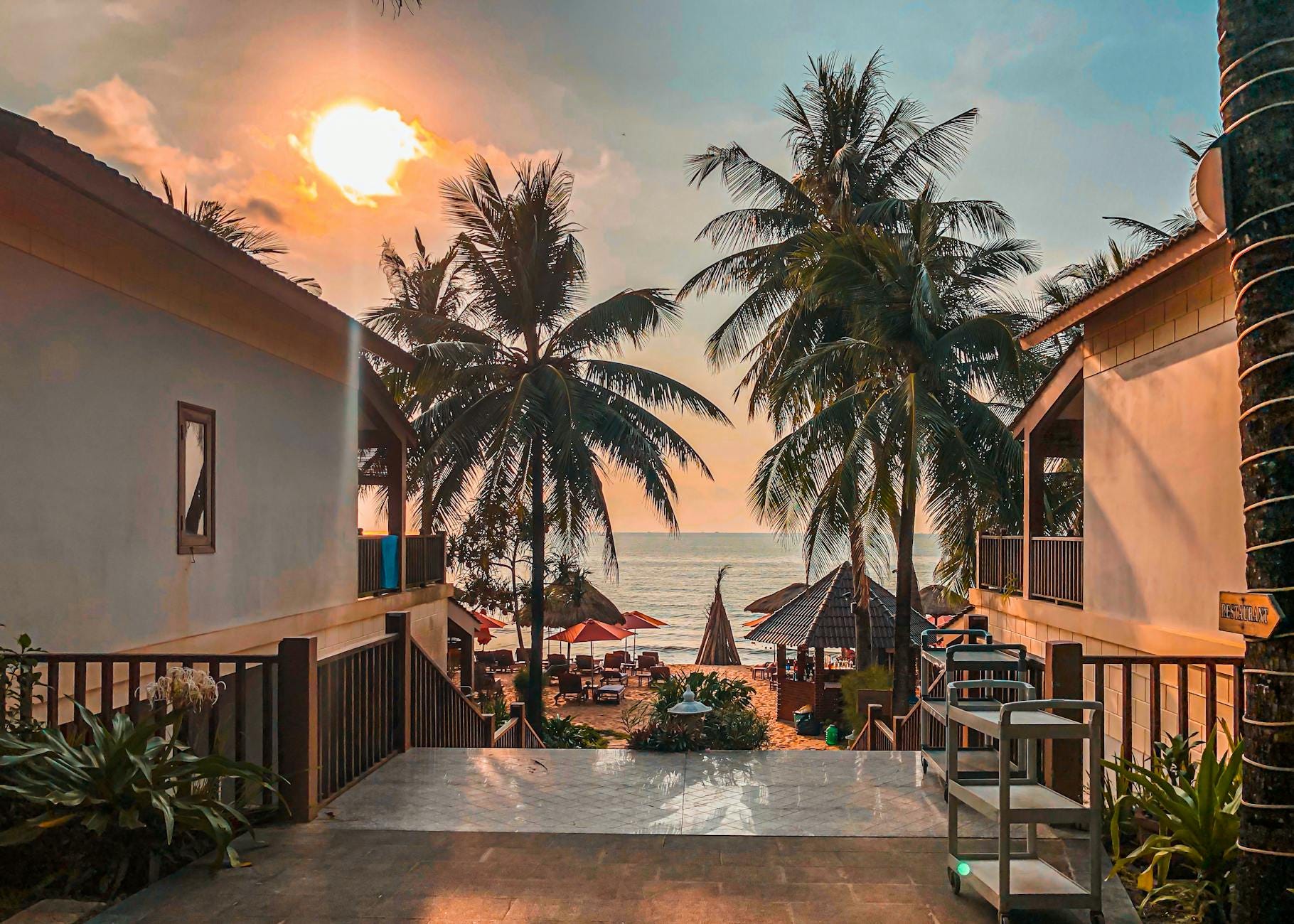
Now comes the exciting part—searching for your dream home! Thanks to the digital age, finding the perfect property has never been easier. You can browse listings on websites like Jamaica-homes.com, where you can filter your search by price, location, and home type. This allows you to get a real sense of the market and what your budget can afford.
Before diving into viewings, it’s important to decide which areas in Jamaica you’re most interested in. Consider proximity to work, schools, amenities, and of course, safety. If you’re eyeing Kingston, remember that city centers like Kingston’s Golden Triangle can be quite pricey. For those looking to stretch their dollar, I recommend exploring suburban areas just outside the city. Not only do you get more square footage, but these areas often offer better value for money without compromising on convenience.
Be prepared to view multiple properties. Your REALTOR® will arrange both virtual and in-person viewings to help you make an informed decision. However, the Jamaican housing market is competitive, so it’s essential to stay flexible with your wants and needs. You may not find a home that ticks every single box, but with expert guidance, you’ll find one that comes very close!
Here’s something to consider—don’t shy away from older homes. If they’re structurally sound, you can always renovate them at your own pace. That’s how I managed to achieve my dream of homeownership. Just last year, I purchased an older home in a developing area, and now there’s a new complex going up nearby for double the price with far less space. Those new matchbox homes might seem appealing, but unless you’re swimming in money, they may not be worth the cost.
Additionally, keep an eye out for properties with income-earning potential, such as a flat, basement, or a helper’s quarters with a separate entrance. These spaces can be rented out for long- or short-term use, adding extra value to your investment.
Making an Offer
Submit an Offer
Once you’ve found the right Property, it’s time to submit an offer. This is where your Real Estate Agent’s expertise becomes invaluable. Based on the market research and the Property’s condition, you’ll work with your Agent to determine a reasonable offer. They will then submit the offer on your behalf and handle all negotiations to ensure you get the best possible price.
Your offer should include a Deposit, which is usually around 10% of the Purchase Price. This demonstrates your Commitment to the Seller. Additionally, you’ll want to outline what’s included with the House—such as appliances or fixtures—and set any conditions you might have, like scheduling a home inspection. In Jamaica, home inspections typically cost between JMD 40,000 and JMD 80,000, and they offer peace of mind by identifying any structural or maintenance issues.
At this point, you’ll also need to hire a Real Estate Attorney to handle the legal aspects, such as reviewing contracts and conducting a Title search to confirm the Property’s ownership. Your lawyer plays a critical role in ensuring that the sale progresses smoothly and that all legal bases are covered. When making an offer, be prepared to pay your Down payment, which can be as low as 5% of the Property’s value, and your share of the Agreement for Sale cost, usually around 0.20% of the Property’s value. While these payments are partially refundable if the sale falls through, it’s always wise to have a trusted lawyer manage these funds.
Survey and Valuation
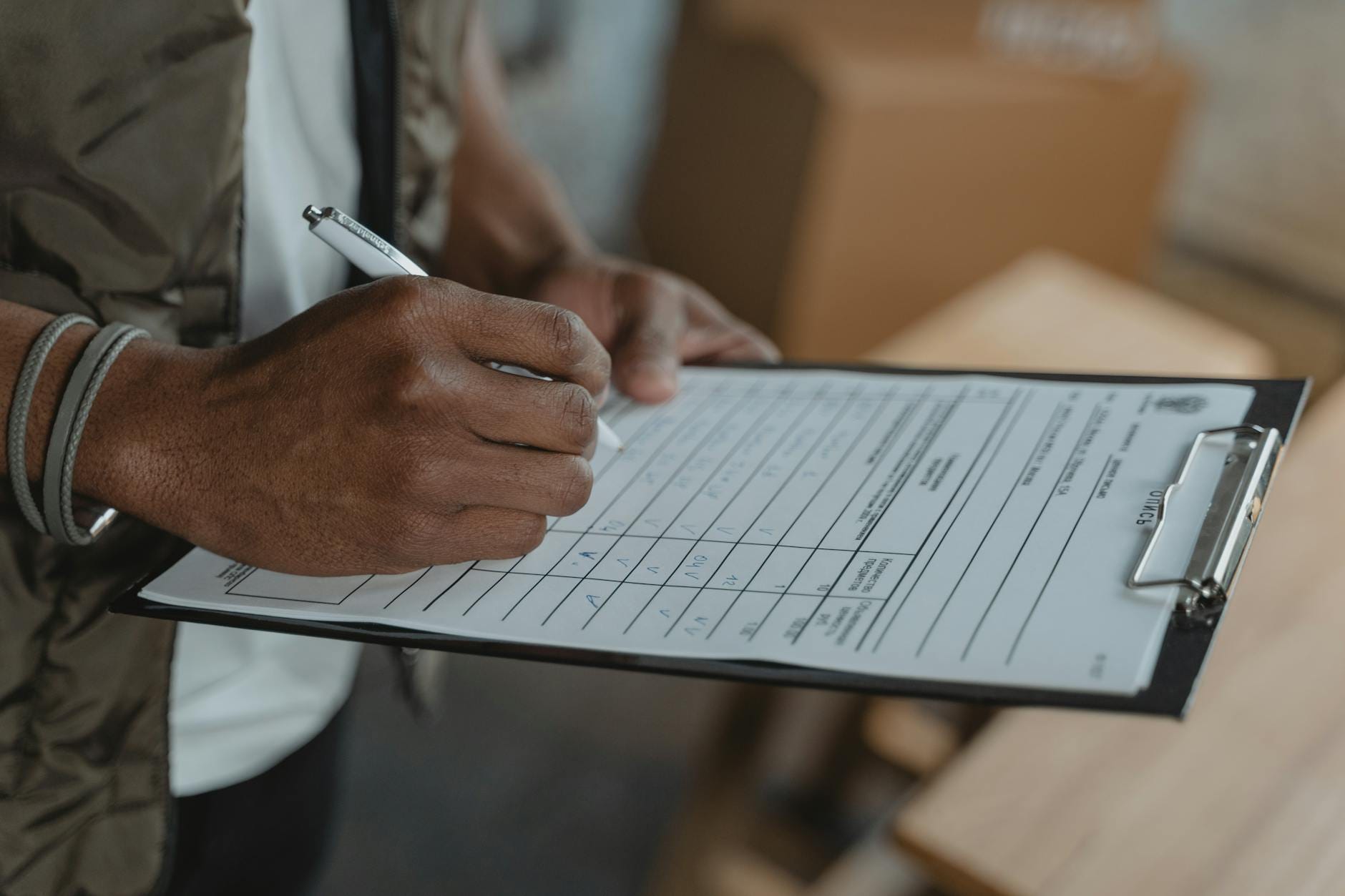
Before finalizing your purchase, you’ll need to conduct a survey and valuation of the property. Hiring a licensed surveyor and valuator ensures that the property boundaries are accurately measured and that the property’s value is correctly assessed. This step is critical for identifying any potential issues with the property that may not be immediately visible, such as breaches or legal encroachments. If any irregularities are uncovered, this could affect your offer, and you may need to renegotiate the terms or request repairs before proceeding with the purchase.
The cost for these services can vary significantly, but you should budget around JMD 100,000 for both the survey and valuation. It’s essential to use a professional who is approved by your lending institution or found on an official list of qualified experts. This not only ensures the job is done correctly but also satisfies your lender’s requirements, as they will often need a certified valuation to approve your mortgage.
In the end, the survey and valuation protect both you and your investment, ensuring there are no unpleasant surprises down the road and giving you the confidence to move forward with your dream home purchase.
Closing the Deal
The Legalities
Once your offer is accepted, the next phase involves finalizing the legal transfer of the property. At this point, your real estate lawyer takes over, guiding you through the intricate legal process. Their role is critical, as they will conduct essential checks to ensure that the property is free from legal encumbrances, such as unpaid taxes, outstanding utility bills, or fraudulent claims to ownership. They will also review the title to confirm that it’s clear and ready to be transferred to your name.
In Jamaica, it typically takes 60 to 90 days to close a real estate transaction. This time frame allows for the necessary legal checks, the preparation of documents, and the finalization of your financing arrangements with the bank. During this period, it’s essential to stay in close contact with your lawyer and mortgage lender to ensure all required documents and payments are submitted promptly.
Securing Your Mortgage
By this stage, you would have already obtained your surveyor’s and valuator’s reports, which are essential for the bank to finalize your mortgage approval. You’ll submit these reports, along with other required documents like your TRN (Tax Registration Number), proof of income, and identification, to the bank to secure the mortgage. It’s crucial to get your financing fully approved before proceeding to the final stages of the purchase.
Once your mortgage is approved, the hidden costs of buying a property in Jamaica come into play. These costs include various legal fees, taxes, and other charges that need to be settled before the sale can be completed. Here’s a breakdown of the costs you should expect to cover:
Deposit: Minimum 5% to 10% of the sale price (already paid at the time of offer).
Sale agreement: 0.2% of the sale price plus GCT (General Consumption Tax).
Surveyor & Valuator Fees: Variable, but you should budget approximately JMD 100,000.
However, additional costs will arise during the closing process, including:
Stamp Duty: JMD 2,500 (your half, as it is shared between the Buyer and Seller).
Lawyer Fees: 3% to 5% of the sale price, depending on the lawyer’s terms.
Letter of Possession: JMD 7,500 (your half, again shared with the Seller).
Utility Letters: Letters notifying utility companies (JPS, NWC, etc.) of the new ownership.
Mortgage Processing Fees: These can amount to several hundred thousand Jamaican dollars and often include mandatory homeowner’s insurance and life insurance. These insurances ensure that both the Property and the mortgage are protected in case of unforeseen events. I highly recommend having an existing life insurance Policy that covers the value of the Property, as this can sometimes work out to be cheaper than taking a new Policy.
Homeowner’s Insurance: A Must-Have
In Jamaica, homeowner’s insurance is mandatory when taking out a mortgage. This insurance protects your property from risks such as fire, natural disasters, and theft, ensuring that both you and the bank are covered in case of damage or loss. It’s crucial that the insurance coverage begins on the day of closing, meaning you’ll need to arrange this well in advance to ensure a smooth transition. Be sure to shop around for the best rates and terms that suit your needs.
The Final Steps
In Jamaica, homeowner’s insurance is mandatory when taking out a mortgage. This insurance protects your Property from risks such as fire, Natural disasters, and theft, ensuring that both you and the bank are covered in case of damage or loss. It’s crucial that the insurance coverage begins on the day of closing, meaning you’ll need to arrange this well in advance to ensure a smooth transition. Be sure to Shop around for the best rates and terms that suit your needs.
The Final Steps
Once all legal matters are in order, your mortgage is secured, and you’ve paid the necessary fees, your lawyer will oversee the transfer of the Property Title to your name. At this stage, a Letter of Possession will be issued, confirming that the Property is officially yours. You can now begin making arrangements for utilities to be transferred into your name and plan your move.
Remember, while this process may seem complex, having a knowledgeable Real Estate lawyer and REALTOR® by your side will make all the difference. They will ensure that the deal is closed without a hitch and that your dream home becomes a reality.
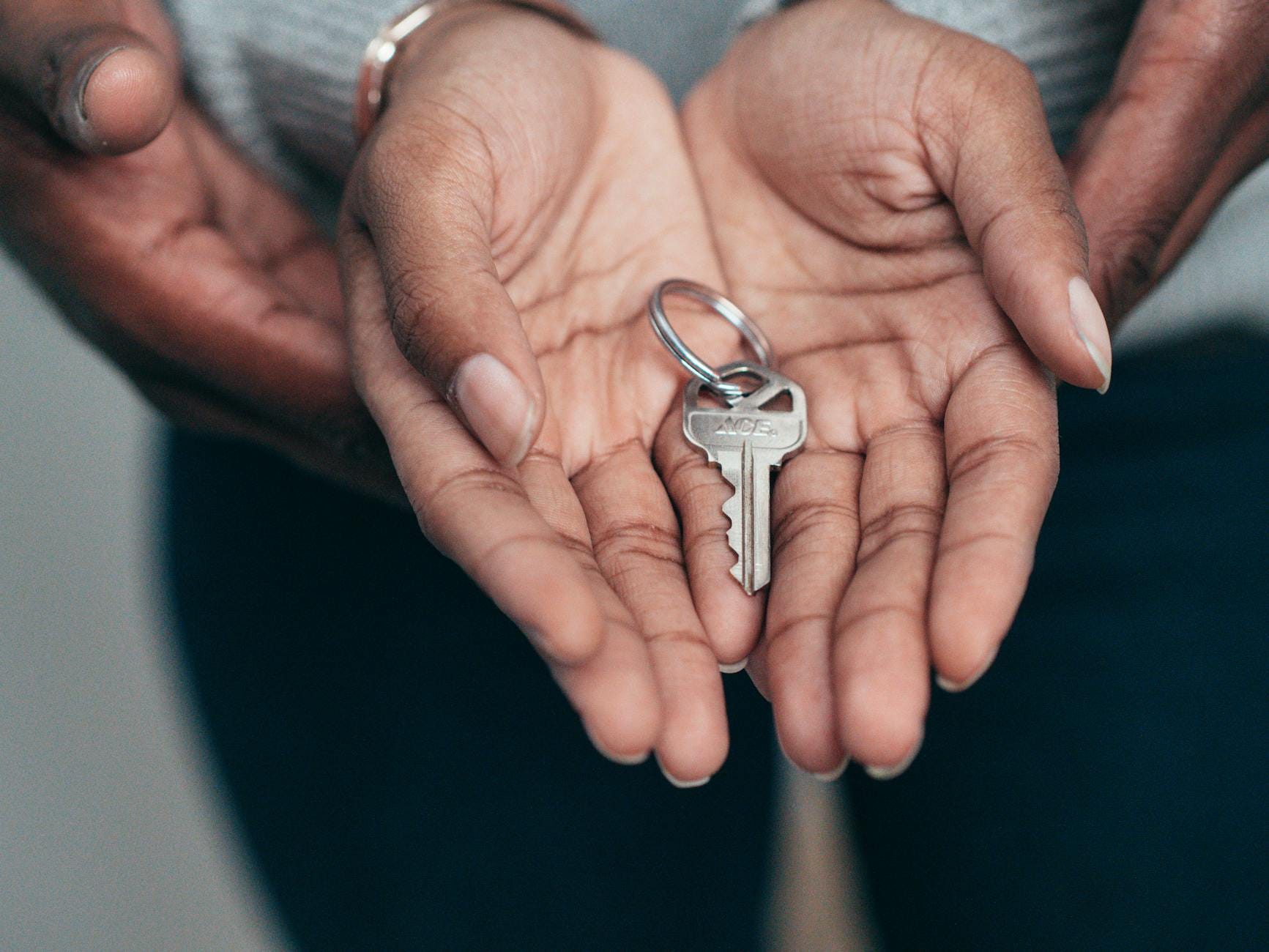
As you navigate the final hurdles, take a moment to appreciate the journey—soon enough, you’ll be holding the keys to your new Jamaican home!
Trends in Jamaican Real Estate
Why Now Is the Right Time to Buy Real Estate in Jamaica
Despite the recent uptick in mortgage rates, the Jamaican real estate market continues to be an attractive and lucrative investment. The nation’s economy remains stable, with a predictable inflation rate, making it easier for investors to estimate their returns. Jamaica-homes.com has noted that investing in property on the island can result in capital appreciation of around 15%, a solid return on investment that few other ventures can offer in today’s market.
The key reason for this attractiveness lies in Jamaica’s steady socio-economic landscape. Minister of Finance Dr. Nigel Clarke highlighted in a recent address that the Jamaican economy has rebounded after the 2020 pandemic downturn. The nation’s tourism sector, which directly impacts real estate through vacation homes and short-term rentals, continues to expand. With infrastructural projects like the Southern Coastal Highway Improvement Project (SCHIP) creating new opportunities for development, the demand for housing is increasing.
Real estate prices in Jamaica remain relatively affordable compared to other Caribbean destinations. For instance, while the average cost of a beachfront property in Barbados or The Bahamas might soar beyond USD 500,000, investors can find prime real estate in places like St. Mary or Montego Bay for much less. Whether you are looking for a serene retirement home in Portland or an Airbnb-ready property in bustling Kingston, there is something for everyone.
Capital Appreciation and ROI: Why Jamaica Stands Out
One of the standout aspects of the Jamaican real estate market is the capital appreciation. Investors can expect around a 15% annual return on their properties. This is in large part due to the ever-growing demand for both residential and vacation properties.
Compared to other investment options, such as stock markets or mutual funds, which can be volatile or yield lower returns, real estate in Jamaica offers more stability. Alicia Easton, a well-known realtor in Jamaica, states, “Where else can you invest your money and see double-digit returns year after year? Real estate is truly the way to build long-term wealth.”
This favorable return on investment is bolstered by Jamaica’s steady inflation rate, as cited by the Bank of Jamaica. Low, stable, and predictable inflation helps keep both rental income and property values on an upward trajectory, allowing investors to better forecast their profits.
Affordable Luxury: Why Jamaican Properties Are a Bargain
Jamaica offers a unique blend of luxury and affordability that is hard to find elsewhere. The market is characterized by two distinct categories: affordable housing for local buyers and luxury properties that appeal to foreign investors and the Jamaican diaspora. Whether you’re interested in developing a vacation rental on the North Coast or purchasing a vacation home, there are plenty of options.
In places like Montego Bay or Ocho Rios, developers are focused on building high-end villas and condominiums designed for affluent buyers. These properties offer luxury amenities like private beach access, 24/7 security, and concierge services, all at a fraction of what you would pay in other Caribbean islands. High-end developments, such as The Pinnacle in Montego Bay and Hambani Estates in Kingston, cater to those seeking upscale living experiences, attracting both local elites and foreign investors.
As Lance Belcher, a UK-based developer, shared, “The Jamaican market is ripe for luxury development. We’re seeing a lot of interest from overseas buyers, especially with the island’s appeal as a top vacation destination.”
Real Estate in Tourism Hotspots: Investment Gold
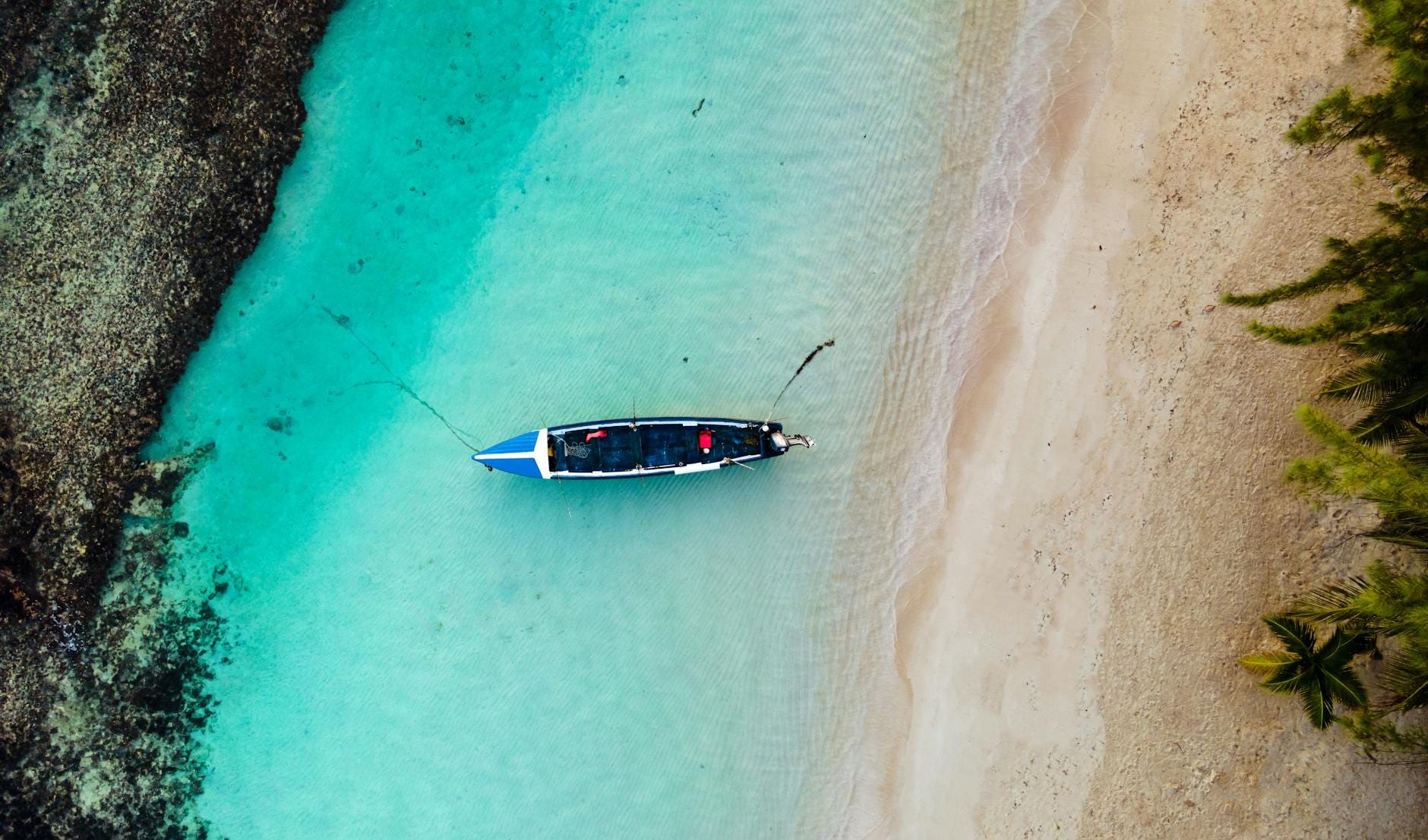
Jamaica’s tourism sector plays a significant role in driving real estate growth. Popular tourist hubs, such as Negril, Montego Bay, and Ocho Rios, have seen a surge in the development of vacation homes, hotels, and Airbnb properties. The Jamaican Tourist Board reports that 31% of visitors in 2023 utilized platforms like Airbnb during their stay, further fueling demand for short-term rental properties.
The success of the Airbnb market in Jamaica can be attributed to its flexibility and affordability compared to traditional hotel stays. Many investors have already capitalized on this trend by purchasing properties specifically for short-term rentals. These properties not only provide steady income but also appreciate in value, giving investors a double benefit. With high demand for vacation rentals, especially during peak tourism seasons, properties in Montego Bay and Kingston remain solid income generators.
Government Support: Making It Easier to Buy
The Jamaican Government has made efforts to encourage homeownership through various programs and policies. The National Housing Trust (NHT) offers affordable mortgages to first-time homebuyers, and even those in the Jamaican diaspora can access these benefits. Through NHT, Jamaicans living abroad can secure loans at interest rates as low as 0-5%, much lower than the 9% average for traditional mortgages. This has made homeownership more attainable for many.
Moreover, government-led infrastructure projects like the Southern Coastal Highway Improvement Project are opening new areas for development, making places like St. Thomas and Portland more accessible and attractive for both local and international investors.
As Minister of Tourism Edmund Bartlett pointed out, “With more roads, better infrastructure, and increasing tourist arrivals, Jamaica is becoming an even more appealing destination for investment.”
The Future of Real Estate in Jamaica

Looking ahead, the Jamaican real estate market is poised for even more growth. With tourism numbers continuing to climb and infrastructure improvements in full swing, there are plenty of opportunities for investors. Additionally, the Jamaican diaspora plays a crucial role, with many overseas Jamaicans looking to reconnect with their homeland by investing in real estate.
Despite the slight increase in mortgage rates in 2024, the market is expected to remain strong, especially as the Bank of Jamaica considers lowering its main policy rate later in the year, which could stimulate further activity in the housing loan sector.
For those considering investment, now is the time. Whether you’re buying a retirement home, a vacation rental, or a long-term investment property, Jamaica offers a wealth of opportunities. Jamaica-homes.com remains a reliable resource for navigating this dynamic market, offering listings, expert advice, and mortgage assistance to make your investment dreams a reality.
In conclusion, with stable economic conditions, a booming tourism sector, and a range of property options catering to different needs and budgets, Jamaica stands out as one of the best places to invest in real estate today.
Final Thoughts
Buying a home in Jamaica is a journey filled with decisions, paperwork, and some uncertainty. But it’s also a rewarding process that can lead to long-term financial gains, whether you plan to live in your new property, rent it out, or use it as a vacation home.
So, what are you waiting for? Start planning your Jamaican real estate adventure today! As Andrew Issa wisely puts it, “Jamaica offers the perfect mix of investment and paradise—don’t miss out!”
Disclaimer:
The information provided in this response is for general guidance only and is not intended as legal, financial, or professional advice. While every effort has been made to ensure the accuracy of the information, individual circumstances may vary, and specific legal or professional advice should be sought in relation to your particular situation. Always consult with a qualified professional for matters relating to construction contracts, legal disputes, or project management.